
Martyr of Faith Fr. Ezechiele “Lele” Ramin, mccj

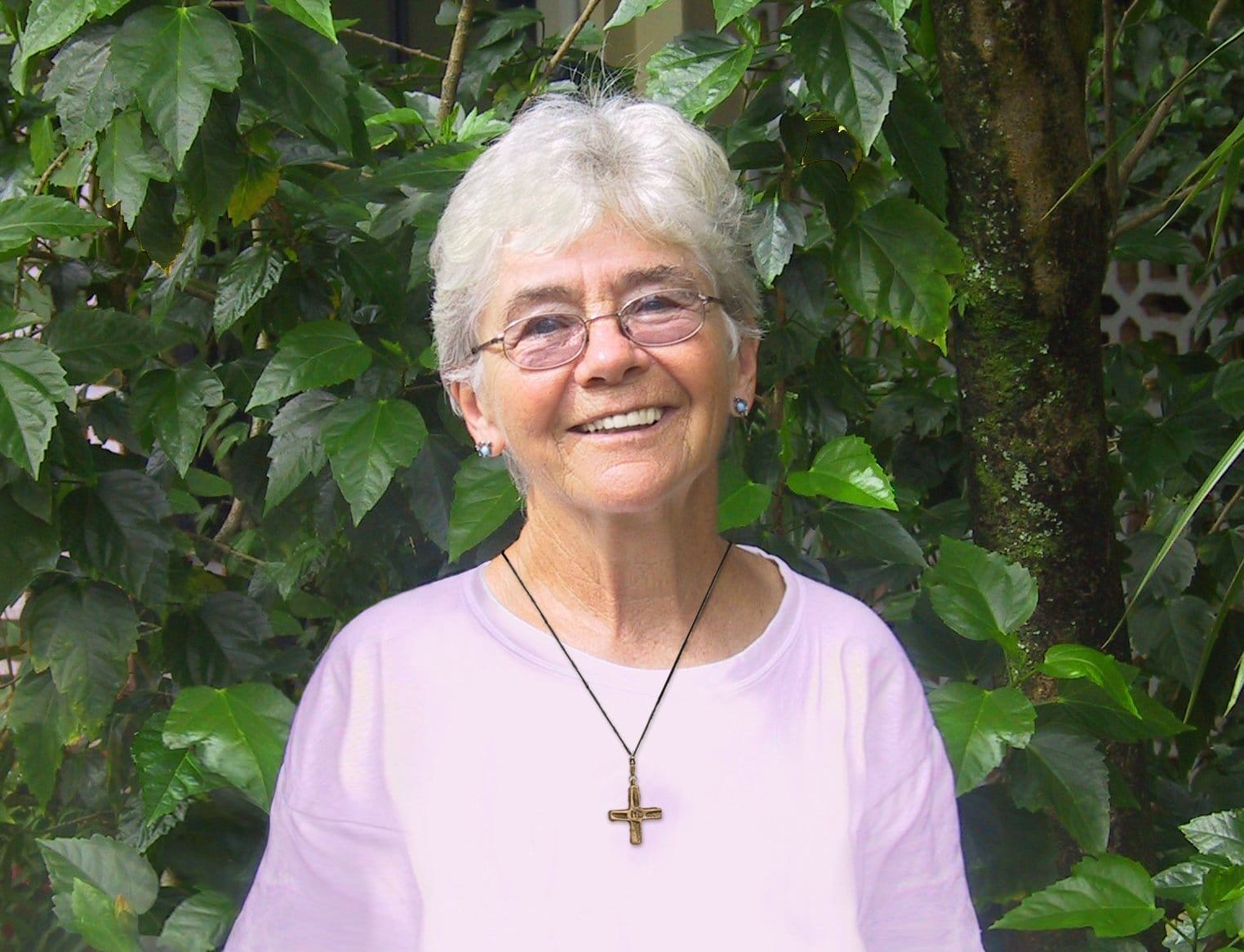
Martyr of Faith Sister Dorothy Stang, SNDdeN


The legacies of Sister Dorothy and Father Lele have a long-lasting influence among the poor and indigenous of Brazil. Both appear in murals throughout the region and they are remembered in processions. Sister Dorothy’s relics are included in a memorial for modern martyrs at the Sant’Egidio Community in Rome.


The Mission and Martyrdom of Sister Dorothy Stang and Father Ezechiele Ramin
by: Kathleen M. Carroll
This year marks two solemn anniversaries. Two missionaries working in the Amazonian forests of Brazil were murdered for asserting the rights of the poor against the greed of wealthy landowners. It has been forty years since the martyrdom of Comboni Missionary Father Ezechiele “Lele” Ramin and twenty since the murder of Sister of Notre Dame de Namur Dorothy Stang.
In March, the Comboni Mission Center in Cincinnati centered its annual Peace and Justice event around these anniversaries, hosting a dinner and discussion entitled “Cultivating Justice.” The evening drew together missionaries, community members, students, and activists to reflect on the lives and sacrifices of these defenders of the poor.
Roots of a Common Calling
Dorothy Stang was born in Dayton, Ohio, in 1931. She joined the Sisters of Notre Dame de Namur at the age of seventeen. Drawn to serve the poor and protect the land, she moved to Brazil in 1966. There, in the state of Pará, she devoted her life to the defense of small farmers and the preservation of the Amazon rainforest.
Father Ezechiele Ramin, affectionately known as “Lele,” was born in Padua, Italy, in 1953. A talented artist, he joined the Comboni Missionaries and devoted himself to serving the poorest and most vulnerable. In 1984, at age 31, he was sent to Rondônia, Brazil — a region scarred by brutal land conflicts, illegal logging, and profound economic inequality.
Though they came from different backgrounds, these two were united in their commitment to the Gospel. They shared an unshakable belief: that faith must be lived out in action, in solidarity, and — if necessary — in sacrifice.
A Faith That Walks with the People
Sister Dorothy, known by locals as “Irmã Dorothy,” helped rural families form sustainable communities and resist the pressures of corrupt landowners. She drew hand-sketched maps showing who owned each parcel of land, to help the people defend their rights. She advocated tirelessly for land reform, opposing both land-grabbing — the practice of stealing ancestral lands from those who may not have a registered deed — and the destruction of the rainforest. She believed that her defense of the rainforest was not merely environmental activism — it was a spiritual duty. She understood how deeply the future of the people was intertwined with the land, once saying: “The death of the forest is the end of our life.”
Father Lele, too, stood with the oppressed. He ministered to the impoverished, learned from indigenous leaders, and called for peaceful solutions to land disputes. But as tensions grew, so did the danger. He was unwavering in his stance: “My work here is to announce . . . and to denounce. Faith must go hand in hand with life”
Martyrdom in the Amazon
Both paid the price for their witness.
On July 24, 1985, Father Ramin was returning from a mission to urge landless farmers not to resort to violence. En route back, he was ambushed by seven gunmen and shot more than fifty times. He died at just thirty-two.
Twenty years later, on February 12, 2005, Sister Dorothy was walking along a muddy road to a community meeting in the rainforest. Two hired gunmen confronted her. When asked if she had a weapon, she held up her Bible and began reading the Beatitudes. “Blessed are the peacemakers,” she read, just before they opened fire. She was seventy-three.
Powerful landowners had orchestrated both killings. It’s a symptom of the widespread corruption that was rampant in the days of Father Lele, continued in the era of Sister Dorothy, and persists in our own time.
The Witness of Community
Dorothy’s friend Cicero witnessed her death and later testified in the criminal trials that followed. The image of Dorothy lying in the red Amazon clay became iconic. Her white hat, recovered by a brave woman, now rests in the Dorothy Stang Room at Mount Notre Dame. Another local woman soaked a cloth in Dorothy’s blood-soaked soil; it became one of the relics later enshrined in Rome.
Likewise, Lele’s memory lived on among the indigenous communities and small farmers he served. Though his murderers were never held accountable, his name became a rallying cry for nonviolence and land justice across Brazil.
Legacy in Action
In 2024, Dorothy’s relics were enshrined in the Basilica of San Bartolomeo in Rome, a sanctuary for modern martyrs. Family members, religious Sisters, and a group of students from the U.S. attended the ceremony.
Some of those who made the pilgrimage to Rome were on hand for the Cultivating Justice event and offered their own remembrances. Teresa Phillips shared how students who encountered Dorothy’s relics in Rome were brought to tears. “They saw her not as a relic of the past,” she said, “but as an example for how to live now.”
Father Ramin’s cause for beatification is ongoing in Brazil. He is already regarded by many as a saint, a “martyr of peace,” and he has been named a “martyr of charity” by Pope Francis. His legacy continues to inspire a new generation of missionaries and activists.
“If my life belongs to you, then my death will also belong to you,” Father Ramin once said. He knew the danger he faced, but like so many of his Comboni Missionary brothers, he refused to back down.
A United Prophetic Voice
Though they died twenty years apart, Dorothy and Lele speak with one prophetic voice. Their witness is not frozen in time — it continues to speak to us now in the present. Their courage asks more from us: not only remembrance but action.
“We are not burying her — we are planting her,” said a farmworker at Dorothy’s funeral.

